Introduction
Wound care is a vital aspect of medical method, specifically for patients with persistent conditions, surgical procedures, or injuries that call for specific attention. A wound care specialist plays a critical function in handling different types of injuries, guaranteeing they heal successfully while reducing complications. This post dives deep into the complex trip of coming to be a wound treatment expert, checking out the education and learning and training paths offered, consisting of wound care training for nurses and other medical care professionals.
The Role of the Wound Care Professional: Education And Learning and Training Paths
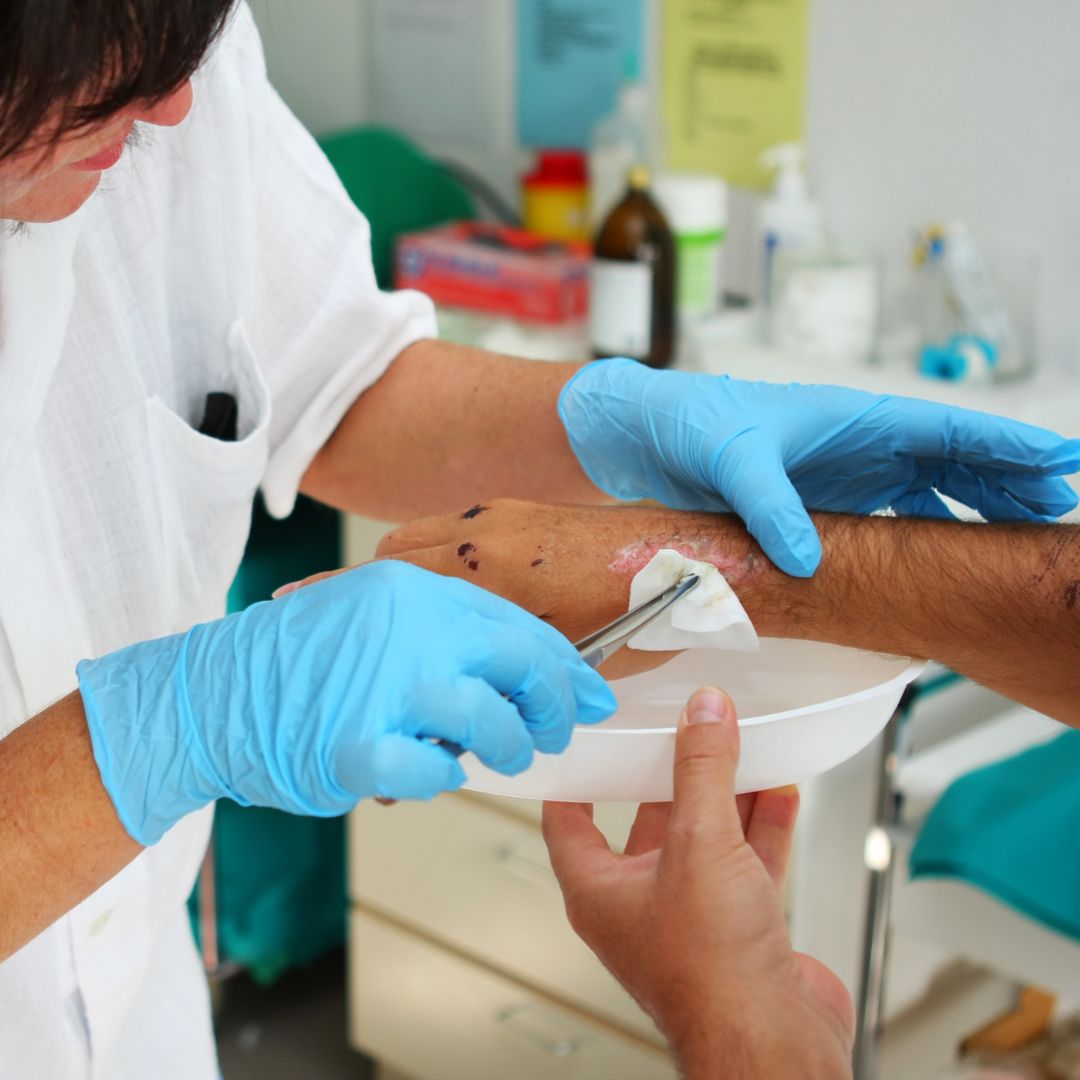
A wound treatment specialist is educated to analyze, identify, and treat a range of wounds. This consists of every little thing from basic wound care training to a lot more complicated circumstances entailing chronic wound care management. Their expertise is critical as they develop customized therapy plans based on private person demands. Yet what does it require to end up being a skillful wound care specialist?
Understanding Injury Care Management
Before exploring the educational pathways, it is necessary to realize what wound care management involves. It involves several key elements:
- Assessment: Reviewing the kind and extent of wounds. Treatment Planning: Formulating a personalized plan that might consist of dressings, debridement, or sophisticated therapies. Patient Education: Teaching patients concerning correct injury treatment techniques. Monitoring Development: Regular follow-up visits to guarantee healing.
This thorough technique ensures that individuals obtain ideal treatment throughout their healing process.
Wound Care Expert Educating Overview
Becoming a qualified wound care expert commonly needs both formal education in nursing or another medical care field and specialized training in injury management. Allow's break this down:
Educational Background:
- Most specialists begin with a nursing level (ADN or BSN) or appropriate healthcare qualification.
- Initial training focuses on basic concepts such as infection control, clothing changes, and evaluation techniques.
- These programs delve deeper into chronic wound care management strategies appropriate for complex cases.
- Various organizations provide accreditations for those that full requisite training and exams.
- Continued learning with workshops and conferences keeps professionals upgraded on the current practices.
Wound Treatment Training for Nurses
Nurses comprise the largest segment of healthcare specialists entering this area as a result of their direct patient communication. Below's how they can seek this field of expertise:
Initial Nursing Education
Typically, striving registered nurses need to first complete their nursing level-- either a Partner Level in Nursing (ADN) or Bachelor's Degree in Nursing (BSN). This fundamental education and learning covers vital professional abilities that will certainly be built upon during additional training.
Specialized Wound Care Nurse Training
After acquiring their nursing licenses, registered nurses can choose:
- Wound Treatment Accreditation Programs: These are frequently supplied by expert companies such as: The National Alliance of Wound Care and Ostomy (NAWCO) The American Academy of Wound Management (AAWM)
These programs commonly need completion of certain coursework complied with by passing a qualification exam.
Wound Treatment Training Courses Available
Various establishments offer comprehensive courses designed to outfit health care specialists with the skills required for reliable wound monitoring:
Online vs In-Person Courses
Both online platforms like Coursera or Medscape and in-person workshops supply flexibility depending upon specific timetables and finding out preferences.
|Training course Type|Pros|Cons|| -------------------|-----------------------|-----------------------|| Online|Adaptable organizing|Calls for self-discipline|| In-Person|Hands-on experience|Taken care of routine|
Complex Wound Care Management Skills
As specialists development in their jobs, they significantly encounter complex wounds that require innovative abilities. Complex injuries may arise from problems such as diabetic issues or stress ulcers; thus comprehending these underlying problems ends up being critical.
Chronic Wound Care Management Techniques
Specialists often employ various techniques consisting of:
- Debridement Negative Stress Injury Treatment (NPWT) Advanced clothing applications
Each strategy offers wound care and management its purpose, aiming to facilitate faster recovery while decreasing pain or pain for patients.
NDIS Injury Care Assistance Services
In Australia, the National Impairment Insurance Plan (NDIS) provides support for individuals with impairments calling for help with day-to-day living tasks-- including injury administration solutions. Comprehending just how NDIS integrates with traditional healthcare systems can enhance service distribution for both companies and patients alike.
The Relevance of Patient Education in Injury Treatment Management
Patient education and learning is vital for effective outcomes in injury recovery procedures. Specialists need to focus on mentor clients concerning:
- Signs of infection Proper dressing changes When to look for medical attention
By empowering patients with expertise, professionals can significantly improve recovery rates while cultivating a sense of independence among them.
Career Opportunities for Injury Care Specialists
With innovations in clinical science and an increasing emphasis on specialized health care services, profession opportunities are plentiful for qualified specialists:
- Hospitals Outpatient clinics Home wellness agencies Long-term care facilities
The varied settings permit experts to tailor their job paths according to personal preferences while additionally impacting patient lives positively.
Continuing Education and learning Requirements
To maintain accreditations as an injury treatment specialist, recurring education is crucial. Several accrediting bodies require specialists to take part in continuing education and learning programs consistently-- maintaining them abreast of brand-new technologies and treatment methodologies.
Challenges Dealt with by Wound Care Specialists
While gratifying, seeking a job as an injury treatment specialist isn't without challenges:
Emotional Strain
Dealing with chronic wounds can be mentally exhausting-- clients might experience discomfort or have restricted wheelchair which requires immense compassion from caregivers.


Staying Updated
As innovation evolves rapidly within healthcare setups, maintaining updated with new treatments can feel frustrating at times yet stays required nonetheless.
FAQs Regarding Ending up being An Injury Treatment Specialist
Q1: What credentials do I need to become a wound treatment specialist?
A1: Usually you need a RN license adhered to by specialized training via accreditation programs concentrated on wound management.
Q2: How long does it take to end up being certified?
A2: The period differs based on the program chosen yet normally ranges from a number of weeks to months relying on program intensity.
Q3: Can I specialize while functioning full-time?
A3: Yes! Numerous courses provide adaptable alternatives suiting functioning experts' schedules via online components or night classes.
Q4: Exist details accreditations acknowledged nationally?
A4: Yes! Certifications from companies like NAWCO or AAWM are extensively recognized across different states within America.
Q5: What sorts of wounds do experts primarily deal with?
A5: Experts manage chronic wounds like diabetic person abscess in addition to surgical websites needing post-operative focus among other categories!
Q6: Is there demand for certified specialists?
A6: Definitely! With enhancing awareness around reliable treatment protocols comes increased need leading several hospitals looking for competent practitioners!
Conclusion
In final thought, embarking on the journey towards becoming a skilled wound care specialist entails commitment with strenuous education and hands-on training experiences customized particularly in the direction of boosting patient outcomes throughout different settings-- from healthcare facilities down with home health and wellness environments offering important solutions under NDIS structures also! By focusing on both academic understanding along with functional application methods showed throughout these insightful programs focusing on complicated scenarios experienced frequently when handling persistent discomforts associated commonly discovered within modern medical techniques today-- it's easy seeing why this area stays ever-growing too!
Whether you're just beginning your nursing profession or seeking to specialize even more right into advanced therapy protocols-- there's never ever been a much more amazing time signing up with rankings amongst enthusiastic supporters dedicated solely enhancing lives one plaster at-a-time!